How to Repressurise a Boiler Safely: Step by Step
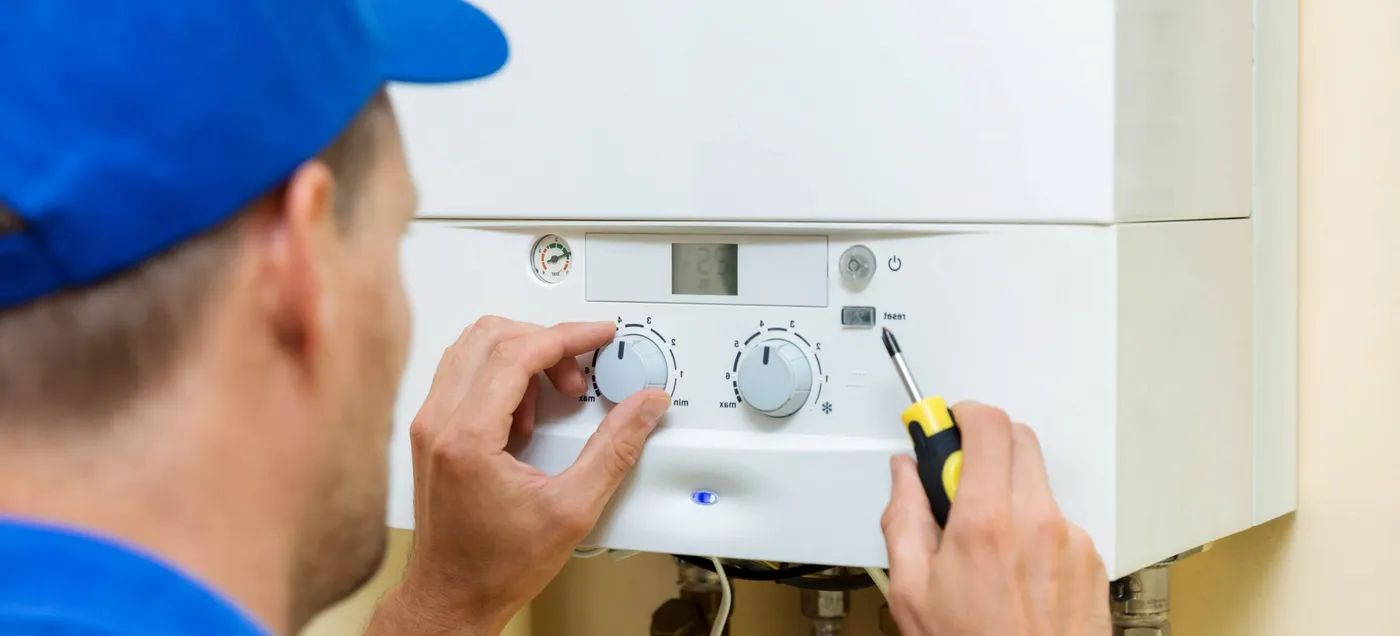
Learn how to safely top up your boiler's pressure with this clear, step-by-step guide, and know when it's time to call an expert.
1. Check the boiler is cold and switched off
Before you do anything else, ensure your boiler is completely cold and switched off. This is a crucial safety step. Turn the boiler off at its controls, and if possible, switch off the electrical supply at the fused spur (the switch on the wall near the boiler, often with a small red light). Wait for the system to cool down. Attempting to add water to a hot, pressurised system is dangerous and can cause serious injury. You should also check the pressure gauge on the boiler's front panel. If the needle is in the low end of the green or normal range marked on the dial, then topping up is appropriate. If it is in the red section or below the marked range, then proceed with this guide. If your boiler is displaying a fault code or error message, do not attempt to repressurise it. Move to step 5.
2. Locate the filling loop
The filling loop is the device used to add water into your sealed central heating system. It is usually a short, flexible silver braided hose with a valve at each end. On most modern combi boilers, it can be found underneath the boiler unit itself. Sometimes it is permanently connected, and sometimes it is kept in a boiler's packaging or a nearby cupboard and only connected when needed. Look for two valves: one on the central heating pipework (often a black or grey plastic lever) and one on the braided hose itself. If you cannot see a braided hose or any accessible valves, you may have an integrated filling key system or a different setup. If you are unsure, or if there is no visible filling loop, do not proceed. This is a sign you should call a Gas Safe registered engineer.
3. The general procedure: opening valves and watching the gauge
Once you have located the filling loop and confirmed the boiler is cold and off, you can begin. First, ensure both valves on the filling loop are fully closed (usually turned so the handle is in line with the pipe). Slowly open one valve, then slowly open the second valve. You will hear water flowing into the system. Keep your eyes firmly on the pressure gauge on the boiler's front panel. The needle will begin to rise. Let the pressure increase slowly. Once the needle reaches the middle of the green or normal range indicated on the gauge, immediately close both valves, shutting them off firmly. Do not over-pressurise the system. The exact ideal pressure is detailed in your boiler's manufacturer's manual, but aiming for the middle of the marked normal range is safe. Once the valves are closed, you can switch the boiler back on. The pressure may fluctuate slightly as the system heats up, but it should settle within the normal range.
4. What to do if the pressure won't hold or drops quickly
If you have followed the steps correctly but the boiler pressure drops back down almost immediately, or within a few hours or days, this is not normal. Do not keep topping it up. A rapid pressure loss indicates a problem with the sealed system. The most common causes are a leak in your radiators or pipework, a faulty pressure relief valve (PRV) that is discharging water, or a problem with the internal expansion vessel. These are not issues you can fix yourself. Continuing to repressurise a leaking system can cause damage and is unsafe. You must stop and call a Gas Safe registered engineer to diagnose and repair the fault. They will check for leaks, test the PRV, and recharge or replace the expansion vessel if needed. Our guide to expansion vessels explains how that part works, and an expansion vessel check can be booked on its own. Pricing for these repairs is confirmed by quote once the engineer knows the make, model and what is needed.
5. When NOT to attempt repressurising yourself
Your safety is paramount. There are clear situations where you should not attempt this task and must contact a professional instead. Do not proceed if: you cannot find a visible filling loop or filling key; you are unsure about any step in the process; your boiler is displaying a fault code or error message (repressurising will not clear this); the pressure gauge needle is already in the high red section; or if you have repressurised multiple times and the pressure keeps falling (as outlined in step 4). For any of these scenarios, you need a Gas Safe engineer. They can safely identify the issue, whether it is a simple fix or a sign your boiler needs a service. Remember, most boiler manufacturers require an unbroken annual service record to keep a warranty valid, with a typical UK price range for an annual combi boiler service being £80 to £120 (industry average).
Frequently asked questions
How often should I need to repressurise my boiler?
A sealed heating system should maintain its pressure. Needing to top up the pressure more than once or twice a year is not normal and indicates a potential leak or fault, such as a problem with the expansion vessel or pressure relief valve. If you are repressurising frequently, you should book a Gas Safe engineer to investigate.
Is it a legal requirement to have my boiler serviced?
For homeowners, it is not a direct legal requirement, but most boiler manufacturers stipulate an annual service by a Gas Safe engineer to keep the warranty valid. For landlords, it is a legal requirement to have a Gas Safety Certificate (CP12) issued annually by a Gas Safe engineer for all gas appliances, including the boiler, and to provide a copy to tenants within 28 days.
What should I do if I over-pressurise my boiler?
If you accidentally put too much pressure into the system, you can carefully bleed a small amount of water from a radiator using a radiator key to lower the pressure back into the normal range. If you are unsure how to do this safely, or if the pressure relief valve has discharged water, it is best to turn the boiler off and call a Gas Safe engineer for advice.