Common Reasons a Boiler Fails Its Gas Safety Check
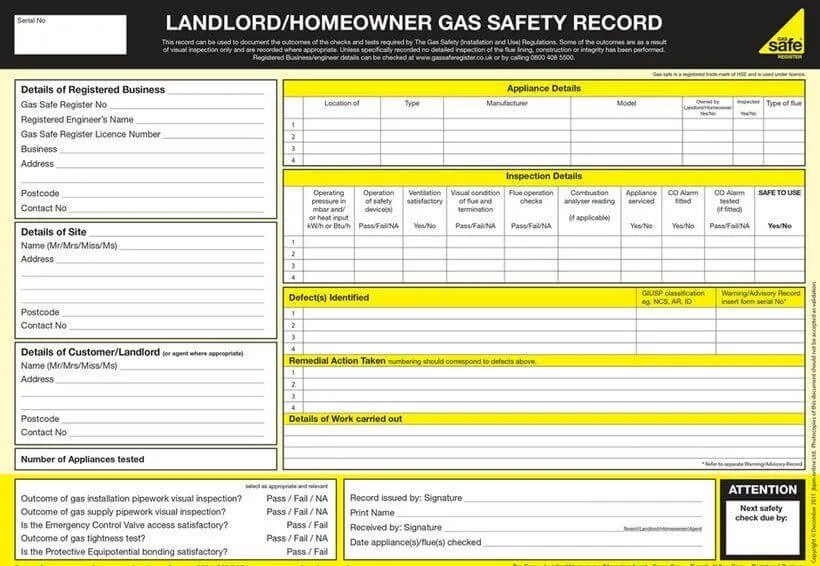
Discover the key reasons a boiler can fail its mandatory Gas Safety Check and what a landlord must do to stay compliant.
Inadequate Ventilation Around the Appliance
One of the most frequent reasons for a Gas Safety Check failure is insufficient ventilation. Gas appliances need a constant supply of fresh air to burn fuel safely and efficiently. This is a critical safety requirement. If air vents are blocked, sealed over, or obstructed by furniture or storage, the appliance can draw in less air than it needs. This can lead to dangerous carbon monoxide production. The Gas Safe engineer will check that all required permanent air vents are present, correctly sized, and completely unobstructed. Even if the boiler itself is functioning, a failure to provide adequate ventilation is a direct breach of safety regulations and will result in an immediate fail.
Flue Problems: Blocked, Damaged, or Incorrectly Routed
The flue is the exhaust pipe that removes waste gases, including carbon monoxide, from the property to the outside atmosphere. Any issue with the flue is a serious safety hazard. Common problems that cause a fail include a flue that is blocked by debris, a bird's nest, or even frost in some external terminals. The flue might also be physically damaged, corroded, or have holes in it. Furthermore, if a flue has been incorrectly installed or extended without proper authorisation, for example, passing through another room or cupboard without being fully sealed, it will be flagged as immediately dangerous. The engineer will inspect the entire flue run, inside and out, to ensure it is safe and fit for purpose. Where part of the run is hidden, see our guide to boiler flues in ceiling voids and inspection hatches, because a concealed flue that cannot be inspected is recorded as At Risk.
Signs of Incomplete Combustion
During the inspection, the engineer will assess the boiler's combustion performance. Signs of incomplete combustion indicate the fuel is not burning properly, which produces carbon monoxide. The engineer may observe a lazy, yellow or orange flame instead of a crisp blue one, or notice sooty staining around the appliance or on the flue terminal. While they will use specialised analysers to check the products of combustion, visible signs are a clear red flag. This condition is often linked to other faults like poor ventilation, a blocked flue, or a faulty component within the boiler itself. Any indication of incomplete combustion means the appliance is not operating safely and will fail the check.
Visible Corrosion or Damage to the Appliance
General wear and tear or physical damage to the boiler or its immediate pipework can lead to a failure. The engineer will look for signs of significant corrosion, especially around the heat exchanger or seals, which could lead to gas or combustion fume leaks. They will also check for water leaks from the boiler that might indicate internal failure and could cause electrical hazards or further corrosion. Damaged case panels, missing covers, or broken controls that expose live parts are also safety issues. While some minor cosmetic issues may be noted, any damage that compromises the safe operation or containment of gas and fumes will result in the appliance being deemed unsafe.
A Safety Device Not Working as It Should
Boilers contain several built-in safety devices, and if any of these are faulty, the check will fail. A common example is the flame failure device, which should cut the gas supply if the flame goes out. If this fails, gas could continue to flow unchecked. Other critical devices include the overheat thermostat, which prevents the boiler from getting dangerously hot, and the pressure relief valve, which releases water if the system pressure gets too high. The engineer will test these devices to ensure they operate correctly. A boiler might appear to heat water fine, but if a safety mechanism is inoperative, it represents an unacceptable risk and cannot be certified as safe.
What Happens Next If Something Is Flagged
If the engineer identifies a safety fault, their primary duty is to make the situation safe. This is not a punitive measure but a legal and moral requirement. Depending on the severity of the fault, they will likely cap off the gas supply to the appliance or turn the boiler off entirely and attach a warning label. They will then explain the issue to the landlord or agent. The appliance cannot be used until it is repaired by a Gas Safe registered engineer. Once the necessary repairs are completed, a follow-up inspection is needed to verify the work before a valid Gas Safety Certificate can be issued. For landlords, addressing these issues promptly is crucial to maintain legal compliance and tenant safety. Most remedial repairs can be organised and completed within a few days, depending on parts availability.
To prevent these issues, regular professional maintenance is key. An annual boiler service, which typically costs between £80 and £120 as a typical UK price range (industry average), allows a Gas Safe engineer to identify and rectify small problems before they develop into safety-critical failures that jeopardise a Gas Safety Certificate inspection.
Frequently asked questions
Can a tenant refuse access for a Gas Safety Check?
Tenants have a legal obligation to allow access for a Gas Safety Check, provided the landlord gives at least 24 hours' notice. If a tenant repeatedly refuses access, the landlord must demonstrate they have taken all reasonable steps to arrange it, such as keeping detailed records of communication and attempts to reschedule.
If my boiler fails, can the same engineer fix it and issue the certificate?
Yes, if the engineer is Gas Safe registered to work on that specific appliance, they can usually perform the necessary repairs. Once the repair is complete and the appliance is safe, they can then issue the valid Landlord Gas Safety Certificate (CP12). You will receive a quote for the repair work before it begins.
Does an annual boiler service include a Gas Safety Certificate?
Not automatically. A service involves checking, cleaning, and adjusting the boiler to ensure it runs efficiently and safely. A Gas Safety Certificate (CP12) is a separate, specific inspection and report that legally certifies all gas appliances and flues in the property are safe. Many landlords combine the two tasks, but you must request the CP12 inspection explicitly.